
Picture this: You’ve found the perfect Harley or sportbike, but when the dealer starts talking monthly payments, your stomach drops. That “affordable” $250 payment suddenly balloons with taxes, fees, and interest. I’ve been there multiple times—both as a rider who financed three different motorcycles and as someone who’s helped friends avoid expensive mistakes. A good motorcycle finance calculator is your best friend before signing anything. It shows exactly what you’ll pay monthly and over the full loan term so you don’t end up underwater on a depreciating asset.
Key Takeaways
- A motorcycle finance calculator helps you estimate monthly payments, total interest, and overall costs using loan amount, APR, term, and down payment.
- Most buyers focus only on monthly payments—what matters more is the total cost of ownership including insurance, maintenance, and fuel.
- Credit score heavily impacts your APR; improving it even 20-30 points can save thousands.
- Dealer financing is convenient but rarely the cheapest option compared to banks or credit unions.
- Always run multiple scenarios in your motorcycle finance calculator before visiting the dealership.
Table of Contents
- What Is a Motorcycle Finance Calculator?
- How Motorcycle Loan Calculators Work
- Motorcycle Loan Components Explained
- Best Motorcycle Financing Options in 2026
- How Much Motorcycle Can I Afford?
- Comparing Motorcycle Loan Offers
- Total Cost of Motorcycle Ownership
- Mistakes to Avoid When Financing a Motorcycle
- Step-by-Step: How to Use a Motorcycle Finance Calculator
- Frequently Asked Questions

What Is a Motorcycle Finance Calculator?
A motorcycle finance calculator is an online tool that estimates your monthly loan payments and total borrowing costs based on key variables like loan amount, interest rate, loan term, and down payment. It takes the guesswork out of financing so you walk into the dealership informed.
In my experience, most first-time buyers have no idea what their dream bike will actually cost them over five years. The calculator shows the reality—sometimes that cool $12,000 bike ends up costing $18,000 with interest and fees.
Why You Should Use One Before Purchasing
Using a motorcycle finance calculator prevents emotional decisions. That shiny new motorcycle looks amazing until you see the real monthly number with taxes and insurance included. I always tell people to run the numbers at home first—twice.
How Motorcycle Loan Calculators Work
These calculators use standard loan amortization formulas. They calculate how much of each payment goes toward principal versus interest over time. Most good ones also factor in sales tax, registration fees, and even estimated insurance costs.
Quick answer: Enter your desired bike price, down payment percentage, expected APR, and loan length. The tool instantly shows monthly payment and total interest paid.
Inputs You Need for Accurate Results
- Vehicle price (including accessories)
- Down payment amount or percentage
- APR (Annual Percentage Rate)
- Loan term (usually 24-84 months)
- Your state sales tax rate
- Estimated dealer/doc fees
Motorcycle Loan Components Explained
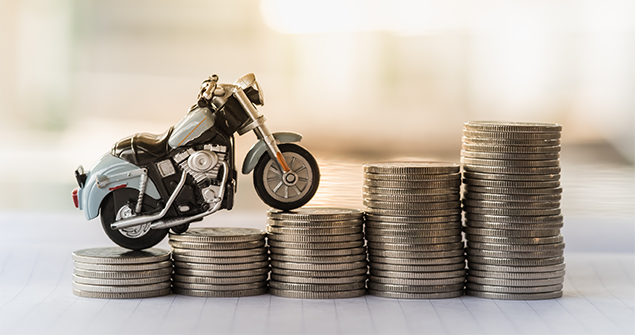
Understanding the pieces helps you make smarter choices. The loan amount isn’t just the sticker price. Add taxes, title, registration, and dealer fees. Then subtract your down payment and trade-in value.
APR is the big one most people underestimate. In 2026, good credit borrowers can find rates between 5.9%–9.9%, while fair credit might see 15%+.
New vs Used Motorcycle Financing
New bikes often qualify for manufacturer financing with promotional rates, but they depreciate fastest in year one. Used motorcycles usually have higher rates but lower overall price and slower depreciation after the initial drop.
Best Motorcycle Financing Options in 2026
Dealer financing through Harley-Davidson Financial Services, Yamaha, Honda, or Kawasaki is easiest but often has higher rates. Banks and credit unions typically offer better terms if you have solid credit.
Online lenders have become more competitive, especially for used bikes. Personal loans are another option but usually unsecured with higher rates.
Also read: Auto Finance Center: Complete Guide to Getting Approved for Your Next Car Loan in 2026
Dealer vs Bank vs Credit Union
Dealer financing wins on convenience and potential manufacturer incentives. Banks and credit unions win on rate. I’ve seen friends save over $2,000 by getting pre-approved at their credit union then negotiating at the dealer.
How Much Motorcycle Can I Afford?
This is the question every buyer should answer first. A solid rule many financial experts use: Keep total vehicle payments under 10-15% of your take-home pay. Factor in insurance, which can run $100–300+ monthly depending on your record and bike type.
Use your motorcycle finance calculator with realistic numbers. If the payment feels tight, it probably is.
Debt-to-Income Ratio Matters
Lenders look at your DTI. Keeping it under 36% overall (including the new loan) gives you the best shot at approval and good rates.
Total Cost of Motorcycle Ownership
Monthly payment is just the beginning. Fuel, maintenance, tires, insurance, storage, and unexpected repairs add up fast. A sportbike might cost $1,500–3,000 per year in ownership costs beyond the loan.
I learned this the hard way with my first bike—maintenance and insurance surprised me more than the payment itself.
Hidden Costs Buyers Often Miss
- Full-coverage insurance requirements
- High-performance tires that wear quickly
- Dealer prep and documentation fees
- State registration renewal costs
Comparing Motorcycle Loan Offers
Never accept the first offer. Get pre-approved from at least three sources before shopping. Compare APR, fees, prepayment penalties, and flexibility for early payoff.
Credit Score Impact on Rates
Excellent credit (740+) gets the best rates. Scores in the 600s can double your interest cost over the loan life. Improving your score before applying is worth the effort.
Also read: Finance Jobs in 2026: 15 High-Paying Careers, Skills Required & How to Break In (Complete Guide)
Mistakes to Avoid When Financing a Motorcycle
What most people get wrong is obsessing over low monthly payments by choosing 72- or 84-month terms. You’ll pay way more interest and risk being upside-down when the bike depreciates.
Honestly, I made this mistake too on my second bike. The low payment felt great until I wanted to upgrade after three years and owed more than it was worth.
Should You Put More Money Down?
Yes, whenever possible. 20% or more down reduces your loan size, lowers monthly payments, and improves approval odds. It also reduces negative equity risk.
Step-by-Step: How to Use a Motorcycle Finance Calculator
- Gather your target bike price and desired accessories
- Decide on a realistic down payment
- Research current APR ranges for your credit tier
- Enter numbers into the calculator
- Adjust term length and down payment to find comfortable payments
- Add estimated insurance and maintenance for true affordability
- Run scenarios with different rates
Also read: Genesis Finance Review 2026: What Happened to Borrowers After Bankruptcy
Motorcycle Refinancing Opportunities
If rates drop or your credit improves, refinancing can save serious money. I’ve seen borrowers cut their rate by 4-5% and save over $1,500. Use a motorcycle refinance calculator to run the numbers.
Early Payoff Strategies
Most loans allow extra payments toward principal. Even $50 extra per month can shave years off the loan and hundreds off interest. Always confirm no prepayment penalties first.
Frequently Asked Questions
How does a motorcycle finance calculator work?
It applies the standard loan payment formula to your inputs and breaks down principal, interest, and amortization schedule.
What credit score is needed to finance a motorcycle?
Most lenders want 620+, but you can find options with scores in the 500s at higher rates. 700+ gets you the best terms.
How much should I put down on a motorcycle?
Aim for at least 10-20%. More is better to reduce risk and payments.
Can I finance a used motorcycle?
Yes. Many lenders offer used motorcycle financing, though rates are usually 1-3% higher than new.
What is a good APR for motorcycle financing?
Anything under 8% is excellent in 2026. Rates between 8-12% are average for good credit.
Is financing a motorcycle worth it?
It can be if you can afford the true monthly cost and plan to keep the bike. Cash is always better if possible.
How long can a motorcycle loan be?
Most go up to 84 months, but shorter terms save significant interest.
Can I refinance my motorcycle loan later?
Yes, many people do once their credit improves or better rates become available.
Does financing a motorcycle build credit?
Yes, if you make on-time payments. It adds positive payment history to your credit report.
What fees should I include in a motorcycle finance calculator?
Include sales tax, title/registration, dealer doc fees, and any extended warranty costs.
Also read: Apush Score Calculator
Final Thoughts and Next Steps
Buying a motorcycle is exciting, but smart financing keeps the fun from becoming financial stress. Run your numbers in a motorcycle finance calculator multiple times, get pre-approved, and compare at least three offers. Remember that the cheapest payment isn’t always the best deal—focus on total cost and staying within your budget.
Start by checking your credit score, calculating what you can truly afford, and shopping lenders before falling in love with a specific bike. Your future self (and your bank account) will thank you.
Now go find that perfect ride—but make sure the numbers work first.


